
Supplementing with Creatine
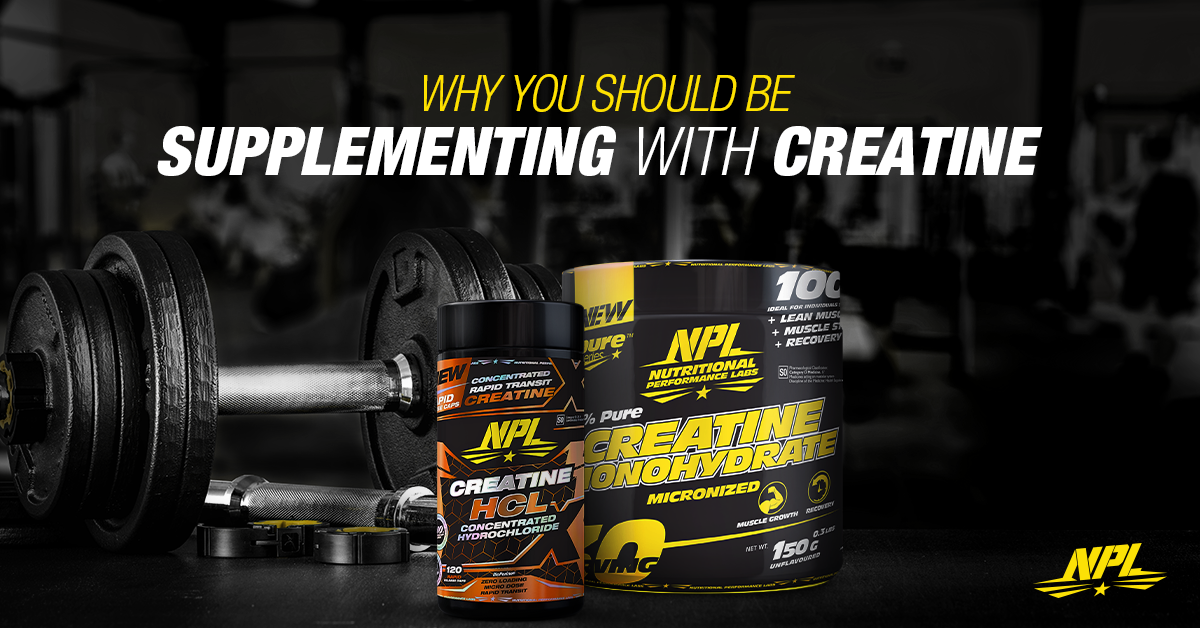
Creatine is a naturally occurring organic compound that is found in our muscles. Which plays an important role in energy production during high-intensity exercise. Creatine is one of the most researched and effective supplements for increasing muscle mass and strength.
What is Creatine?
Creatine is a compound that is made up of three amino acids - arginine, glycine, and methionine. It is primarily stored in our muscles and is used as a source of energy during intense physical activity. Unlike branched chain amino acids, creatine is non-essential meaning our bodies naturally produce creatine, but can be sourced through your diet by incorporating meat and fish.
How Creatine Functions
Creatine works by increasing the amount of energy that our muscles can produce. When we exercise, our muscles use a molecule called ATP as a source of energy. However, we only have a limited amount of ATP stored in our muscles, and it quickly runs out during intense exercise.
This is where creatine comes in. When we supplement with creatine, it increases the amount of saturated creatine in our muscles. Creatine can then be used to quickly produce ATP, which helps to increase our overall energy output during exercise.
Creatine Monohydrate vs. Creatine HCL
There are several different types of creatine supplements available on the market, but the two most popular are creatine monohydrate and creatine HCL (hydrochloride).
Creatine monohydrate is the most well-researched, affordable and widely used form of creatine. It has been shown to be safe and effective for increasing muscle mass and strength.
Creatine HCL is a newer form of creatine that is said to be more soluble and absorbable than monohydrate. This is due to how they are synthesised. Creatine monohydrate is bonded to a water molecule, HCL is bonded to hydrochloride, hence the name. Additionally, it is often more expensive than monohydrate.
How and When to Take Creatine
The Loading Phase
Creatine is typically taken in a loading phase, which involves taking a higher dose of creatine for the first week or two of supplementation. This helps to saturate the muscles with creatine and maximise the benefits.
During the loading phase, it is recommended to take 20-25 grams of creatine per day. Split into 4-5 equal doses. After the loading phase, the maintenance dose is typically 3-5 grams per day.
Everyday use
Creatine can be taken at any time of day, but it is often recommended to take it post-workout to help with recovery and replenish creatine stores in the muscles. It can also be taken with food to help with absorption.
It is crucial to maintain adequate hydration levels when supplementing with creatine since insufficient water intake can lead to dehydration. Additionally, it is recommended to cycle off of creatine every few months to give the body a break and prevent any potential negative side effects.
Overall, creatine is a safe and effective supplement for increasing muscle mass and strength. It works by increasing the amount of energy that our muscles can produce during high-intensity exercise. While there are several different forms of creatine available, creatine monohydrate is highly recommended for beginners and advanced lifters alike. If you're taking creatine supplements, it's a good idea to stick to the recommended dosage, stay hydrated by drinking plenty of water, and take breaks from creatine every now and then.
REFERENCES:
https://central.gymshark.com/article/the-battle-of-the-supplements-bcaas-vs-creatine
https://www.news-medical.net/health/What-is-Creatine.aspx
https://www.medicalnewstoday.com/articles/263269
https://nakednutrition.com/blogs/supplements/creatine-monohydrate-vs-hcl
Wyss, M., & Kaddurah-Daouk, R. I. M. A. (2000). Creatine and Creatinine Metabolism. Physiological Reviews, 80(3).
Bessman, S. P., & Carpenter, C. L. (1985). The creatine-creatine phosphate energy shuttle. Annual review of biochemistry, 54(1), 831-862.
Previous article

Next article


